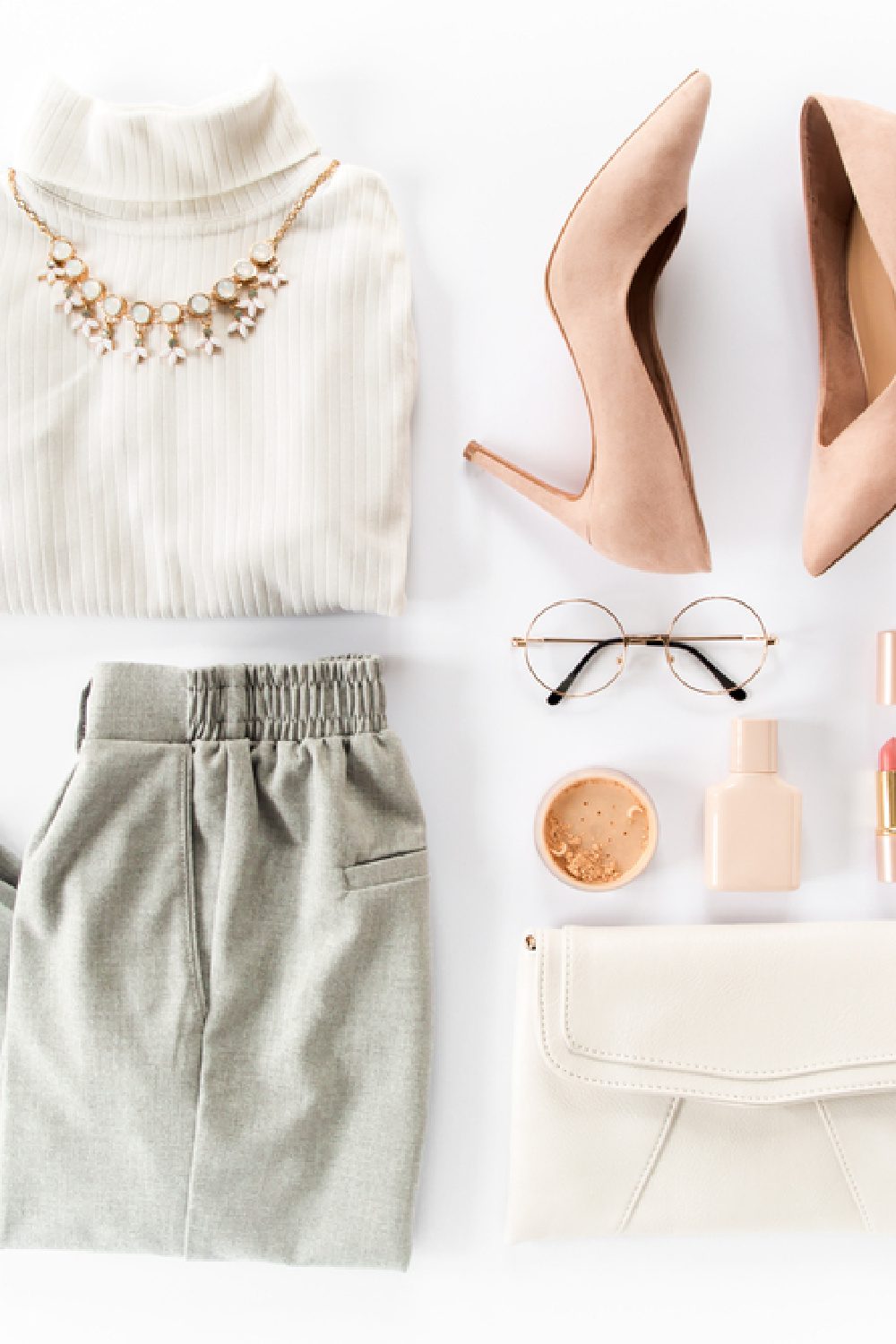
When standing in a beauty aisle comparing serums or debating whether a cleanser is worth the price, the interaction starts grounded in something real, specific, and shared. Cocktail hour, by contrast, asks you to perform before you connect.

Why Beauty Aisles Help Introverts Connect Faster Than Bars
It can be difficult to meet new people because most social environments reward speed, volume, and constant engagement, not reflection and depth. This mismatch can make initiating conversation feel risky even when the desire for connection exists. Over time, navigating these expectations can discourage introverts from entering situations where friendships might otherwise develop.
As such, more people are rethinking how and where real connections form. For instance, an introvert can use random chat to make friends as an introvert because platforms like Emerald Chat match people with similar interests. Alternatively, an introvert can attempt to make friends physically. Here’s how a beauty aisle eliminates the pressure that makes cocktail bars harder for introverts.
Built-In Purpose Removes Social Friction
In a beauty aisle, conversation already has a legitimate reason to begin because both people are engaged in the same practical decision-making process. It removes the internal debate introverts often experience about whether speaking will feel awkward or unwelcome, since the interaction serves a clear function rather than a social gamble. The purpose comes from the environment itself, not from personality or confidence, which makes initiating feel reasonable instead of intrusive.
A Shared Task Creates Instant Alignment
When two people compare products or scan the same shelf, it orients them toward the same goal rather than toward the social value of each party. This alignment reduces the subtle sense of being judged or assessed that often exists in bars, where conversation can feel like a test of likability or status.
Lower Sensory Load Supports Sustained Attention
Beauty aisles tend to be calmer, slower spaces that allow introverts to remain mentally present throughout an exchange. Instead of dividing attention between noise, movement, and social cues, they can focus fully on the person and the conversation. This sustained attention makes responses more thoughtful and listening more genuine, which deepens the connection rather than fragmenting it.
Questions Feel Practical, Not Intrusive
Product-related questions invite people to share experience without revealing personal history, emotions, or intentions. It keeps the conversation grounded in usefulness while still allowing personality to emerge through preferences, opinions, and routines. Introverts often connect best through substance rather than disclosure, and practical questions offer that balance naturally.
Pauses Are Socially Acceptable
Silence in a beauty aisle does not signal failure or discomfort because it blends into the act of reading labels, testing products, or thinking. These pauses give introverts the time they need to process and respond without pressure, leading to more accurate and meaningful communication.
There Are No Performance Expectations
Unlike bars, beauty aisles do not reward volume, humor on demand, or constant engagement. What matters is whether what you say is helpful or sincere, not how entertaining you are. It removes the need to perform a socially impressive version of oneself and enables introverts to show up as they are, which makes the connection feel safer and more authentic.
A Non-Romantic Context Reduces Pressure
Beauty aisle interactions lack the expectation of attraction or dating, which lowers anxiety about mixed signals or rejection. This clarity enables introverts to engage without second-guessing intent or worrying about how others might interpret friendliness. The absence of romantic stakes makes curiosity feel lighter and more genuine.
One-on-One Interactions Are the Norm
Most beauty aisle conversations happen between two people, which suits introverts who prefer depth over group dynamics. One-on-one exchanges enable focused listening and mutual understanding without the energy drain of managing multiple personalities. As such, the two involved can build rapport quickly and naturally.
Easy Exits Lower Initiation Anxiety
Knowing that a conversation can end cleanly at any moment makes starting it feel less risky. Introverts are more likely to initiate when they are not trapped by social expectations or obligated to sustain interaction longer than they feel comfortable. The ability to disengage naturally encourages experimentation with connection.
Repeat Exposure Builds Familiarity Over Time
Beauty aisles are often part of routine, which means seeing the same faces again without planning or commitment. These repeated, low-pressure encounters allow familiarity to grow gradually, turning brief exchanges into recognizable rapport. For introverts, this slow accumulation of trust often leads to stronger and more durable friendships.
The Three Product Questions That Spark Instant Bonds
Connection in beauty aisles often begins with a single, well-placed question rather than an extended conversation. These three questions work because they ask for specific experience, allow the other person to choose how much to share, and keep the exchange anchored in something practical rather than personal.
Have you tried this one before?
This question opens the conversation by inviting firsthand experience rather than judgment or recommendation. It allows the other person to respond from memory and observation, which feels easier than offering advice or defending a choice. Since the answer usually includes a brief story about use, expectations, or surprise, the exchange gains texture quickly and creates momentum without requiring either person to steer the conversation aggressively.
Does this actually work for you?
This question cuts through marketing language and signals that honesty matters more than enthusiasm. It gives the other person space to discuss results over time, disappointment, or adjustment rather than feeling pressure to endorse a product. That shared realism creates trust early in the interaction, as both people align around practical outcomes rather than appearances or trends.
What do you usually use instead?
By asking about an alternative, this question shifts attention from a single product to an established pattern of choice. It invites the other person to explain how they make decisions, what they prioritize, and what they avoid, all without entering personal or emotional territory. As routines surface through the answer, the conversation begins to reflect lifestyle compatibility in a subtle, grounded way that feels natural rather than revealing.
Friendship often forms faster when the setting removes pressure rather than amplifying it. Beauty aisles create space for such connections by grounding conversation in shared purpose instead of social performance.
Thus, introverts can thrive there because curiosity replaces charisma and usefulness replaces impression management. Small, practical exchanges can carry more meaning than long conversations in overstimulating environments.
Please Note: I always strive to provide accurate and helpful information, but just a quick heads-up—I’m a blogger, not a doctor, lawyer, CPA, or any other kind of certified professional. I’m here to share my experiences and insights, but please make sure to use your own judgment and consult the right professionals when needed.
Also, I accept monetary compensation through affiliate links, advertising, guest posts, and sponsored partnerships on this site, however I am very particular about the products I endorse and only do so when I am truly a fan of the quality and result of the product.