If you have ever scheduled Botox and immediately started thinking about the rest of your day, chances are one question has crossed your mind: Can I wear makeup after Botox? It is one of the first things I think about when planning cosmetic treatments, especially if I have somewhere to be afterward.
I have personally had Botox, so I know firsthand that the treatment itself can be surprisingly quick. The aftercare, however, is something I take seriously. My goal is always to protect my results rather than accidentally undo something I just paid for!

When it comes to makeup after Botox, timing and how you apply your products matter. While Botox typically doesn’t require significant downtime, your injector may recommend being extra gentle with the injection site and avoiding unnecessary pressure or rubbing immediately after treatment.
In this post, I am breaking down when you can apply makeup, what I personally keep in mind post Botox, and how to ease back into your normal makeup and skincare routine without putting unnecessary pressure on the treated area.
As always, this is general guidance based on my experience and reputable medical recommendations. Your provider knows exactly where your Botox injections were placed and should be your primary source for Botox aftercare instructions.
Can I Wear Makeup After Botox?
Yes, you can wear makeup after Botox, but I prefer to take a conservative approach before returning to my normal makeup application, unless my injector tells me otherwise.
Why wait? Applying foundation, concealer and other products usually involves more touching, blending and rubbing than we realize. Avoiding that pressure gives me peace of mind that I am not unnecessarily manipulating the treated area immediately after my botox treatment.
If you are considering injections for the first time, you may also want to read my guide to the Botox process so you know what to expect before, during and after your appointment.
When Can You Wear Makeup After Botox?
It is important to know that there isn’t one universal medical rule requiring everyone to avoid makeup for exactly 24 hours. Cleveland Clinic explains that makeup can generally be applied once the injection site has closed, which may take only about 15 minutes. The key is not harshly rubbing the injected areas. Cleveland Clinic also recommends avoiding rubbing the injection sites for approximately 24 hours.
The American Society of Plastic Surgeons similarly advises patients not to rub or massage treated areas because doing so could cause botulinum toxin to migrate to another area.
That is why I think of the first 24 hours as my “be gentle with my face” window. If I don’t need to apply makeup, I would rather skip it. If your injector tells you that makeup is fine sooner, follow their specific instructions and use an extremely light touch.
How to Apply Makeup After Botox
Once your provider says it is safe to apply makeup after Botox, I would still treat your skin a little more delicately than usual. You don’t necessarily need to completely change your makeup routine, but this is not the time for aggressive blending or repeatedly working products into your skin.
Here is how I approach it.
Start With Clean Hands and Brushes
Cleanliness is always important when you’re applying makeup, but I am particularly mindful of it after a cosmetic treatment.
Wash your hands before you touch your face, and make sure the brushes or sponges you’re using are clean. You have just had multiple tiny injection sites created in your skin, so this isn’t the day I would reach for a makeup sponge that has been sitting in my makeup bag for weeks without being washed.
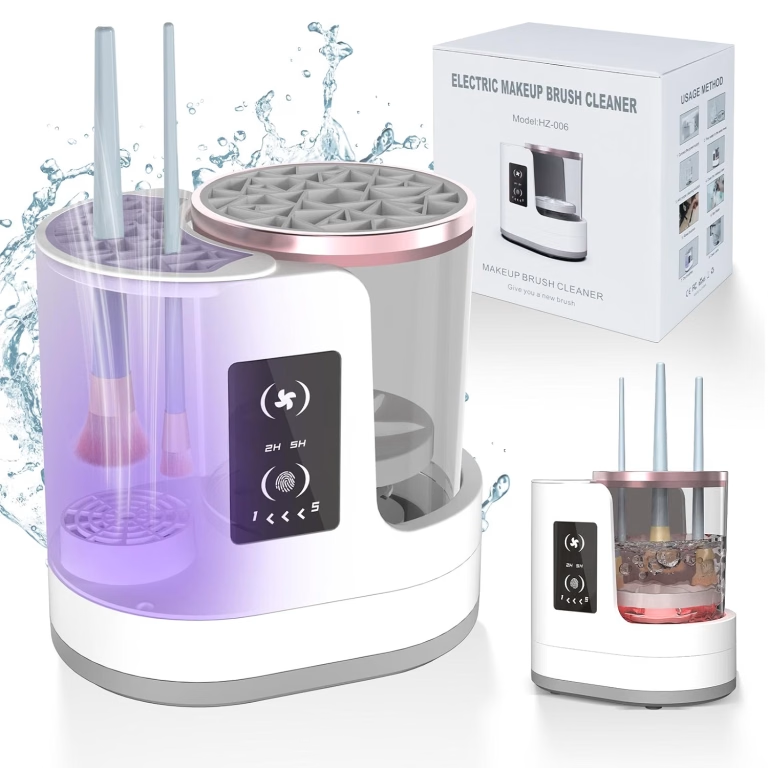
I like to keep everything as clean and simple as possible. The day before my appointment, I clean my makeup brushes with my electric makeup brush cleaner.

Electric Makeup Brush Cleaner
The high-speed rotating water flow, combined with the cleaning column and makeup brush cleaner solution can remove 98%of the makeup residue and dirt left inside the makeup brush. This silicone cleaning bowl will not damage the shape and softness of your brushes’ bristles
Use a Very Light Touch
The biggest change I make post Botox is the amount of pressure I use.
Avoid rubbing, massaging or pressing firmly against the treated area. Rather than aggressively buffing foundation into the skin, use the lightest pressure possible. Remember, you don’t have to be afraid to touch your face. The goal is simply to avoid unnecessary manipulation of the areas that were injected.
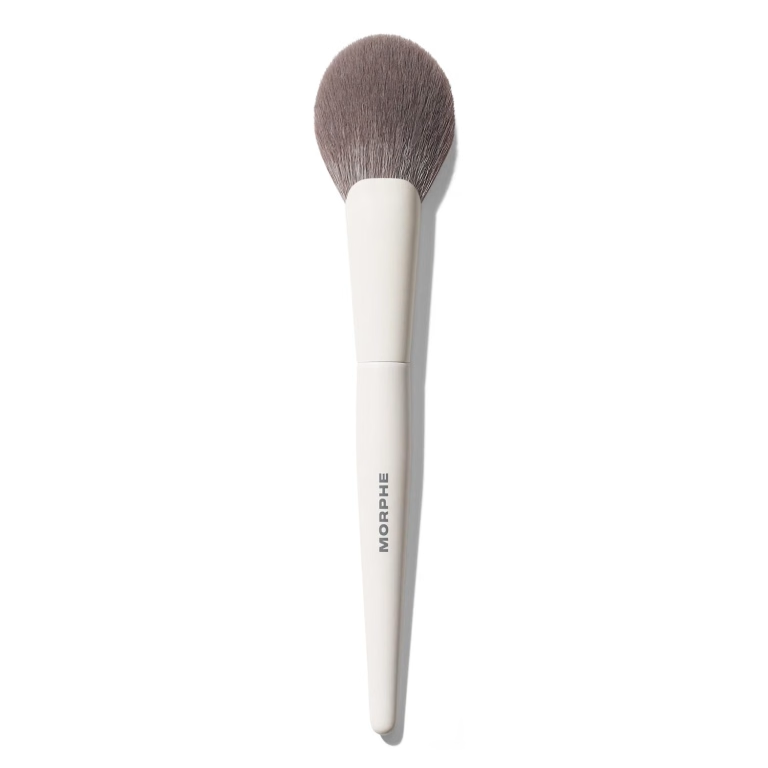
I like to apply my foundation using a blush brush after Botox. This ensures that my makeup is applied evenly without pressing on my face. If you have never applied your foundation using a blush or powder brush, you will be pleasantly surprised at the airbrushed finish that a powder brush provides. This is my favorite powder brush for the job.
Morphe Powder Brush
Designed for anyone seeking a lightweight finish, this large powder brush works for beginners and pros needing a fluffy make up brush for soft setting and seamless blending.

Choose Gentle Products
If your skin feels sensitive after your appointment, this may not be the best time to experiment with a completely new foundation, primer or active skincare product.
I prefer products I already know work well with my skin. If your injection sites are still irritated, swollen or uncomfortable, check with your provider before covering them with cosmetics.
The same idea applies to your skincare routine. Keep things gentle and follow any instructions your injector gives you regarding active ingredients and products immediately following treatment.
Pat or Dab Instead of Dragging
Your application technique can make a big difference. Rather than dragging a brush or sponge across your forehead or vigorously blending around an injection site, lightly pat or dab your products into place.
I especially like this approach for concealer and foundation because you can still achieve a polished finish without applying unnecessary pressure.
If I am within that initial post Botox window, my philosophy is simple: less touching, less pressure, and less fussing with my face.
The takeaway? Your injector’s advice always comes first.
Why You Should Wait to Apply Makeup After Botox
The reason I am cautious with makeup after Botox is actually pretty simple: makeup application requires touching your face. Botox is injected into specific targeted muscles. After those Botox injections, you don’t want to aggressively rub or massage the treated area.
This doesn’t mean that lightly touching your face will ruin your Botox. Cleveland Clinic makes the distinction that touching is generally OK while rubbing should be avoided.
For me, waiting until the next day simply reduces the risk of absentmindedly rubbing, pressing, or repeatedly touching the injection site.
There is another benefit to waiting: you may have a little redness, swelling or bruising immediately after your Botox treatment. These are among the possible temporary side effects following injections. Giving your skin some time before covering it with makeup can make the entire process more comfortable.
If you have questions about the treatment beyond aftercare, I also put together a guide answering another common question: is Botox safe for your face.

What Makeup and Habits to Avoid After Botox
Protecting your Botox results doesn’t mean you need to hide at home for several days. In fact, most people can return to their normal daily activities very quickly. But there are a few makeup-related habits I would avoid immediately following treatment:
- Avoid heavy rubbing or blending. Vigorous rubbing or massage of the treated area is one of the primary things medical sources caution against after Botox.
- Skip facial treatments and tools that put pressure on your face. This includes facial massage, gua sha, and treatments involving significant manipulation of the treated area. Cleveland Clinic recommends waiting at least 24 hours before facials or massages.
- Don’t apply makeup too soon if your injector has told you to wait. Even though some medical guidance allows makeup relatively soon after treatment, your provider’s recommendations should take priority because they know exactly what was injected and where.
- Don’t touch your face more than necessary. It is incredibly easy to absentmindedly rub your forehead, press on your temples or touch the injection site. Being conscious of this during the first day reduces the risk of unnecessary pressure.
- Avoid aggressive makeup removal. Remember that whatever you put on eventually has to come off. If wearing a full face of makeup means you’ll need to scrub your skin at bedtime, that is another reason I prefer to wait.
- Avoid makeup if the injection site is irritated. If you have significant redness, swelling, tenderness or another reaction that concerns you, contact your provider rather than simply covering the area with makeup.
What About Your Skincare Routine After Botox?
Makeup isn’t the only thing to think about. Your skincare routine involves touching your face, too.
Cleveland Clinic says you can wash your face after Botox, but recommends doing it gently so you don’t rub the affected area or contribute to bruising or swelling.
I think that is a good rule for skincare in general immediately after Botox: gentle is better.
Rather than massaging cleanser into my face aggressively, I would use light pressure. I would also avoid using skincare tools or anything that requires pushing, rolling or scraping across the treated area until my provider says it is OK.
If you use stronger skincare ingredients, ask your injector whether you need to temporarily modify your routine. Recommendations can vary depending on your skin, the products you use and where your Botox was injected.
What Side Effects Are Normal After Botox?
You may notice temporary redness, small bumps or minor bruising around an injection site. Cleveland Clinic lists pain, swelling, redness and bruising at the treatment site among possible Botox side effects. Headache and temporary eyelid drooping are also possible.
Fortunately, Botox generally doesn’t require traditional downtime. Most people can return to work and their usual activities immediately after treatment.
However, contact your healthcare provider if you develop symptoms that concern you or seem more significant than the mild effects your injector told you to expect. Rare but serious complications can occur with botulinum toxin, so unusual symptoms should not simply be dismissed as normal Botox aftercare.
So, Can I Wear Makeup After Botox?
Yes—but I personally prefer to give my skin a break and wait about 24 hours after Botox before returning to my usual makeup routine whenever I can.
The medical guidance is a little more flexible than many people realize. Cleveland Clinic notes that makeup can generally be worn once the injection site has closed, provided you are careful not to harshly rub the area.
For me, waiting until the next day is less about being afraid of makeup and more about protecting my investment. I don’t want to spend money on a botox treatment and then immediately start pressing, rubbing and blending over the targeted muscles.
Once I do wear makeup again, I keep my makeup application gentle: clean tools, light pressure and lots of patting instead of rubbing.
Most importantly, listen to the person who performed your injections. Every treatment plan is different, and your provider may give you instructions based on your particular injection sites, dosage and treatment area.
When it comes to Botox aftercare, I would much rather be a little too careful for one day than spend the next few weeks wondering whether I should have left my face alone!
Please Note: I always strive to provide accurate and helpful information, but just a quick heads-up—I’m a blogger, not a doctor, lawyer, CPA, or any other kind of certified professional. I’m here to share my experiences and insights, but please make sure to use your own judgment and consult the right professionals when needed.
Also, I accept monetary compensation through affiliate links, advertising, guest posts, and sponsored partnerships on this site, however I am very particular about the products I endorse and only do so when I am truly a fan of the quality and result of the product.