Wellness has evolved far beyond workout routines and skincare shelves. Today, many women are redefining what it means to feel healthy, confident, and fulfilled. Rather than chasing quick fixes or dramatic transformations, the conversation is shifting toward sustainable habits that support physical health, emotional well-being, and long-term vitality.
This change reflects a broader understanding that looking good and feeling good are often closely connected. When energy levels improve, stress becomes more manageable, and daily routines feel balanced, confidence tends to follow naturally. The result isn’t simply a better appearance, it’s a greater sense of overall well-being.

As wellness continues to evolve, women are exploring practices that fit into real life while supporting their personal goals, families, careers, and lifestyles. From prioritizing sleep to embracing healthy aging, this year’s most talked-about wellness trends are rooted in consistency rather than perfection.
Why Wellness and Beauty Are Becoming More Connected
For years, beauty and wellness were often treated as separate categories. One focused on appearance, while the other focused on health. Today, those lines are becoming increasingly blurred.
Many women now recognize that factors such as sleep quality, stress levels, nutrition, and emotional wellness can influence how they feel and how they present themselves to the world. A good night’s sleep can leave someone feeling more energized and focused. Regular movement can support mood and resilience. Managing stress can contribute to a greater sense of calm and confidence.
Rather than concentrating solely on external appearance, modern wellness encourages a more holistic perspective. Feeling well physically and emotionally often creates a foundation for confidence, which can have a positive impact on everything from personal relationships to professional performance.
This mindset has helped shape a new generation of self-care – one that prioritizes long-term well-being over temporary results.
Wellness Practices Gaining Attention This Year
While wellness trends continue to evolve, several practices have remained remarkably consistent because they align with modern lifestyles and realistic expectations.
Prioritizing Sleep
Sleep has become one of the most discussed wellness topics in recent years. As people learn more about recovery and overall well-being, quality sleep is increasingly viewed as a cornerstone of healthy living.
Many women are investing more attention into bedtime routines, reducing evening screen time, and creating calming environments that support rest. The goal isn’t perfection but recognizing that adequate sleep often influences mood, energy, productivity, and daily resilience.
Embracing Daily Movement
Exercise is no longer viewed exclusively through the lens of intense workouts or fitness goals. Instead, movement is becoming a lifestyle practice.
Walking, stretching, yoga, dance classes, swimming, and recreational activities all contribute to a more active lifestyle. The emphasis has shifted toward consistency and enjoyment rather than rigid exercise programs.
This approach feels more sustainable and accessible for busy professionals, mothers, and anyone trying to balance multiple responsibilities.
Mindfulness and Emotional Wellness
Modern life can be demanding, which is why mindfulness practices continue to attract attention.
Whether through meditation, journaling, breathing exercises, or simply spending time away from digital distractions, many women are finding value in practices that support emotional balance and mental clarity.
The growing focus on emotional wellness reflects an understanding that confidence and quality of life are influenced by more than physical health alone.
Nutrition and Hydration
Simple habits continue to matter. Nutrition and hydration remain foundational elements of wellness because they support daily functioning and long-term health.
Rather than focusing on restrictive approaches, many wellness-minded individuals are emphasizing balanced meals, hydration, and sustainable eating habits that can be maintained over time.
Healthy Aging Conversations
Healthy aging has become one of the most prominent wellness themes in recent years. Instead of trying to fight the natural aging process, many women are focusing on maintaining vitality, mobility, confidence, and quality of life as they move through different life stages.
This more balanced perspective encourages proactive wellness habits while embracing aging as a natural part of life.
Wellness Practices People Are Paying Attention To
| Wellness Practice | Why People Are Interested | Potential Lifestyle Benefits |
| Prioritizing Sleep | Better recovery and energy | Improved daily well-being |
| Daily Movement | Sustainable physical activity | Long-term vitality |
| Mindfulness Practices | Managing modern stress | Emotional balance |
| Healthy Aging Habits | Supporting long-term wellness | Confidence and resilience |
| Wellness Innovations | Curiosity about emerging trends | Greater awareness and education |
The Rise of Preventive Wellness
Another noticeable shift is the growing interest in preventive wellness. Rather than waiting for challenges to arise, many people are exploring habits that may help support long-term health and quality of life.
Preventive wellness is less about reacting and more about creating a strong foundation. This may include regular movement, stress management, healthy sleep patterns, balanced nutrition, and ongoing self-care.
The appeal is understandable. People increasingly want to remain active, engaged, and resilient throughout different stages of life. They are looking for practical ways to support well-being today while considering their future health and lifestyle goals.
This approach also aligns with a growing desire for personal responsibility and informed decision-making when it comes to health and wellness.
Emerging Conversations Around Peptides
Among the many wellness topics gaining visibility, peptides have become an increasingly common subject within beauty, wellness, and healthy-aging discussions.
While peptides have been studied in various scientific and research settings for years, public awareness has grown significantly as consumers become more interested in understanding the factors that contribute to overall well-being.
For many people, peptides represent one of several emerging areas of wellness education. Discussions often focus on topics related to skin health, recovery, healthy aging, and broader wellness goals.
Importantly, these conversations are usually part of a much larger movement toward understanding how lifestyle choices, nutrition, self-care practices, and evolving wellness research intersect.
Spotlight on Glow
One example attracting attention within these conversations is the concept of the glow peptide.
Interest in peptide-related topics has expanded alongside broader discussions about skin wellness, healthy aging, and overall self-care. Consumers are increasingly curious about the science and wellness concepts that may influence how people approach long-term well-being.
The attention surrounding topics such as Glow reflects a larger trend: people want to better understand the connections between internal wellness and external appearance. Rather than seeking immediate solutions, many are becoming more interested in education, research developments, and emerging areas of wellness knowledge.
As with many wellness trends, the ongoing discussion is often less about finding a single answer and more about learning how various factors may contribute to feeling and looking one’s best over time.
What Modern Self-Care May Look Like Going Forward
Looking ahead, wellness trends are likely to continue emphasizing personalization, sustainability, and balance.
Many women are moving away from rigid routines and instead creating wellness practices that fit their unique lifestyles and priorities. This may involve combining physical activity with stress management, focusing on sleep quality, exploring educational wellness topics, or developing self-care rituals that feel meaningful and realistic.
Healthy aging will likely remain a central theme, along with growing interest in understanding emerging wellness innovations. At the same time, experts and consumers alike increasingly recognize the importance of maintaining realistic expectations and avoiding all-or-nothing approaches.
The future of wellness may ultimately be less about chasing perfection and more about building habits that support a fulfilling, confident, and balanced life.
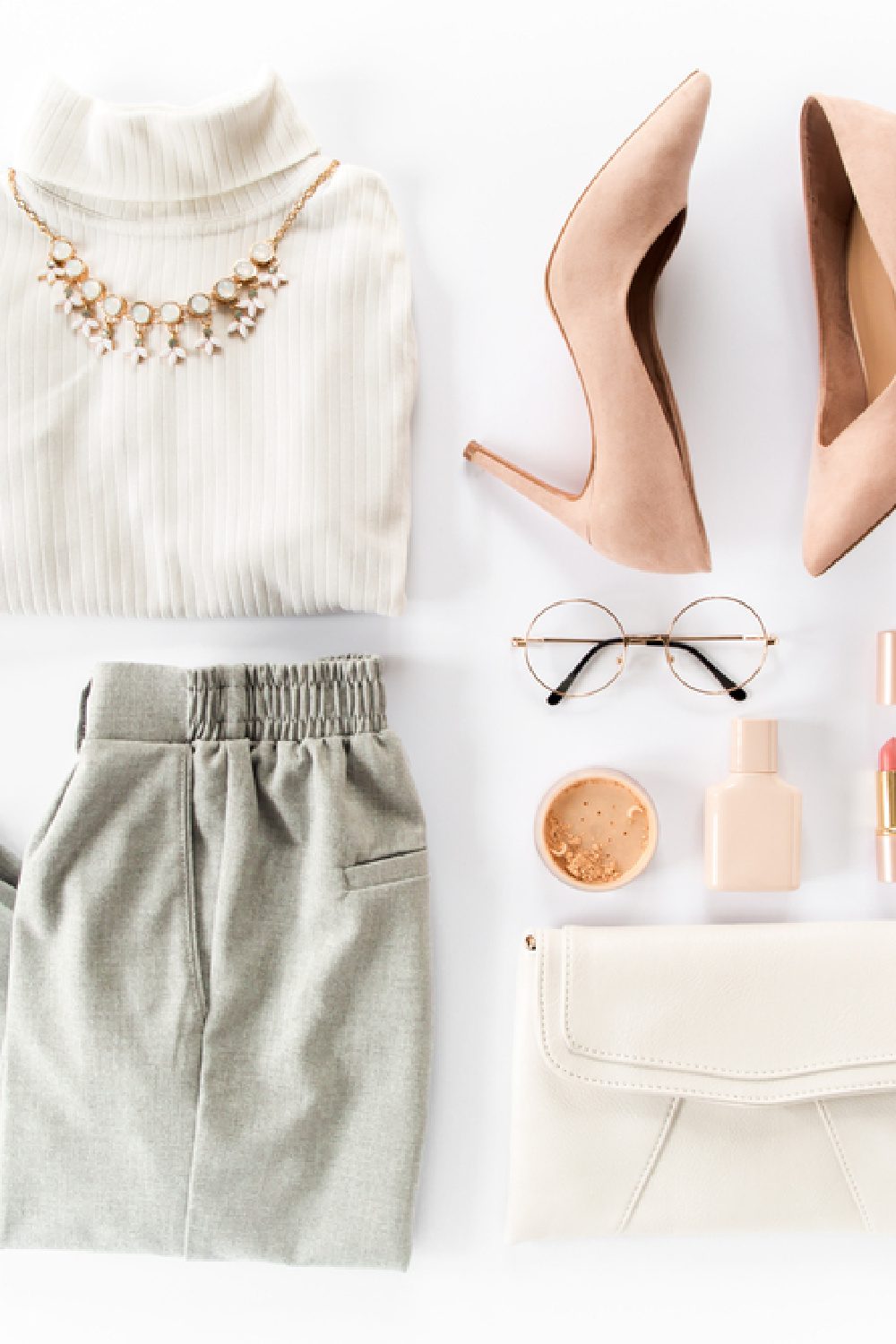
Recommended Image 2: Elegant wellness and self-care imagery reflecting healthy aging, balance, confidence, and modern lifestyle habits.
Key Takeaways
- Wellness is increasingly connected to confidence and overall quality of life.
- Modern self-care emphasizes sustainable habits rather than quick fixes.
- Sleep, movement, nutrition, and stress management remain foundational wellness practices.
- Healthy aging has become an important focus for many women.
- Peptides are emerging as a growing topic within wellness and beauty discussions.
- Looking good often begins with feeling well and supporting long-term well-being.
The relationship between looking good and feeling good has never been more apparent. As wellness continues to evolve, many women are embracing habits that support both physical and emotional well-being rather than pursuing short-term results.
From prioritizing sleep and movement to exploring healthy aging and emerging wellness conversations, today’s approach to self-care is becoming more balanced, thoughtful, and sustainable. Ultimately, confidence often grows from the daily choices that support overall wellness and those choices can create benefits that extend far beyond appearance alone.
Rather than striving for perfection, modern wellness encourages women to build routines that help them feel energized, resilient, and comfortable in their own lives. And that may be one of the most meaningful wellness trends of all.
Please Note: I always strive to provide accurate and helpful information, but just a quick heads-up—I’m a blogger, not a doctor, lawyer, CPA, or any other kind of certified professional. I’m here to share my experiences and insights, but please make sure to use your own judgment and consult the right professionals when needed.
Also, I accept monetary compensation through affiliate links, advertising, guest posts, and sponsored partnerships on this site, however I am very particular about the products I endorse and only do so when I am truly a fan of the quality and result of the product.