A shopper comparing two listings, a jar of shilajit resin and a bottle of cherry-flavored shilajit gummies, is really choosing between a product that can be verified and one that largely cannot. Once shilajit is set in sugar and pectin, the familiar authenticity checks stop working, and laboratory results describe the confection as much as the shilajit inside it.

Shilajit Resin vs Gummies
The gummy listing usually looks more appealing. It promises a pleasant taste, a precise-sounding milligram figure and a “third-party tested” badge. The questions below explain why those signals carry less weight than they appear to, and what documentation actually settles the matter.
What does “purity” mean for shilajit?
Purity is not a single number. For shilajit it rests on four separate laboratory measurements, and a credible certificate reports each of them:
- Fulvic acid content, the standard marker of shilajit identity and concentration.
- A heavy metals panel covering lead, arsenic, cadmium and mercury.
- Microbial limits: total aerobic count, yeast and mold, and pathogens such as E. coli and Salmonella.
- Ash content, used to report the organic fraction on an ash-free basis so that mineral salts do not inflate the result.
A product that documents only one of these areas has not demonstrated purity; it has demonstrated one property. Buyers who keep this list in mind will notice how often a “tested” badge refers to a heavy metals screen alone.
The heavy metals line deserves particular attention. Shilajit forms in mountain rock, so trace amounts of lead, arsenic, cadmium and mercury are part of its nature rather than a sign of fraud. The purpose of purification is to keep those amounts low, and the purpose of testing is to prove it with figures. A certificate that says “passes” or “free of heavy metals” without numbers and limits gives the reader nothing to compare.
Why don’t the at-home authenticity tests work on gummies?
All three common at-home checks depend on the physical behavior of raw resin, so they cannot be performed on a gummy at all. The pliability test observes resin turning brittle when chilled and softening again in a warm hand. The solubility test watches it dissolve in warm water. The burn test looks at how it reacts to a flame.
None of these is a laboratory method, and none proves quality on its own. Each, however, gives a buyer of resin a first, free signal about what is in the jar. A gummy removes that option entirely: it is soft because of pectin or gelatin, it dissolves because of sugar, and it burns because it is candy. Every result reflects the matrix.
Can a laboratory test a finished gummy?
It can, but the result describes the blend rather than the shilajit. By mass, a gummy is mostly sugar or corn syrup, a gelling agent such as gelatin or pectin, an acidity regulator and flavoring, with the shilajit extract as a minor component. A heavy metals figure per gram of gummy is therefore diluted by everything else in the recipe, and a fulvic acid figure, if reported at all, is similarly obscured.
There is a clean way around this, and it requires two certificates. The first should cover the shilajit extract before blending, showing its fulvic acid content, heavy metals and microbiology. The second should cover the finished product at batch level. Few gummy sellers publish both, and without the first one a buyer has no view of the ingredient that justifies the purchase.
On an online store, this gap is easy to miss. The “lab tested” badge sits next to the checkout button, and a buyer who clicks it may find a certificate for the raw extract with no lot number, a report on a flavor that is no longer sold, or no document at all. None of these outcomes is proof of a poor product. Each of them, however, leaves the purchase resting on trust rather than evidence.
What should a buyer ask a gummy seller?
Five questions separate documented products from marketing. They take a minute to send and the replies are revealing:
- Does the certificate cover the finished product or the raw extract?
- Which batch or lot number does it refer to, and does that number match the package?
- Which independent laboratory performed the testing?
- Does the panel cover heavy metals, microbial limits and fulvic acid?
- Can the seller provide the certificate for the lot currently being shipped?
A seller who answers all five with documents is rare. A seller who answers with “our products are third-party tested” has given a statement that may be accurate and is, without the paperwork behind it, close to meaningless.
How does resin make verification easier?
With resin, the product and the ingredient are the same thing, so a certificate describes exactly what the buyer takes. Pürblack illustrates the approach. Every product it sells carries two downloadable PDFs: a full-panel COA prepared in-house and an external report from Cambium Analytica, a testing laboratory within NSF that works under ISO/IEC 17025 accreditation.
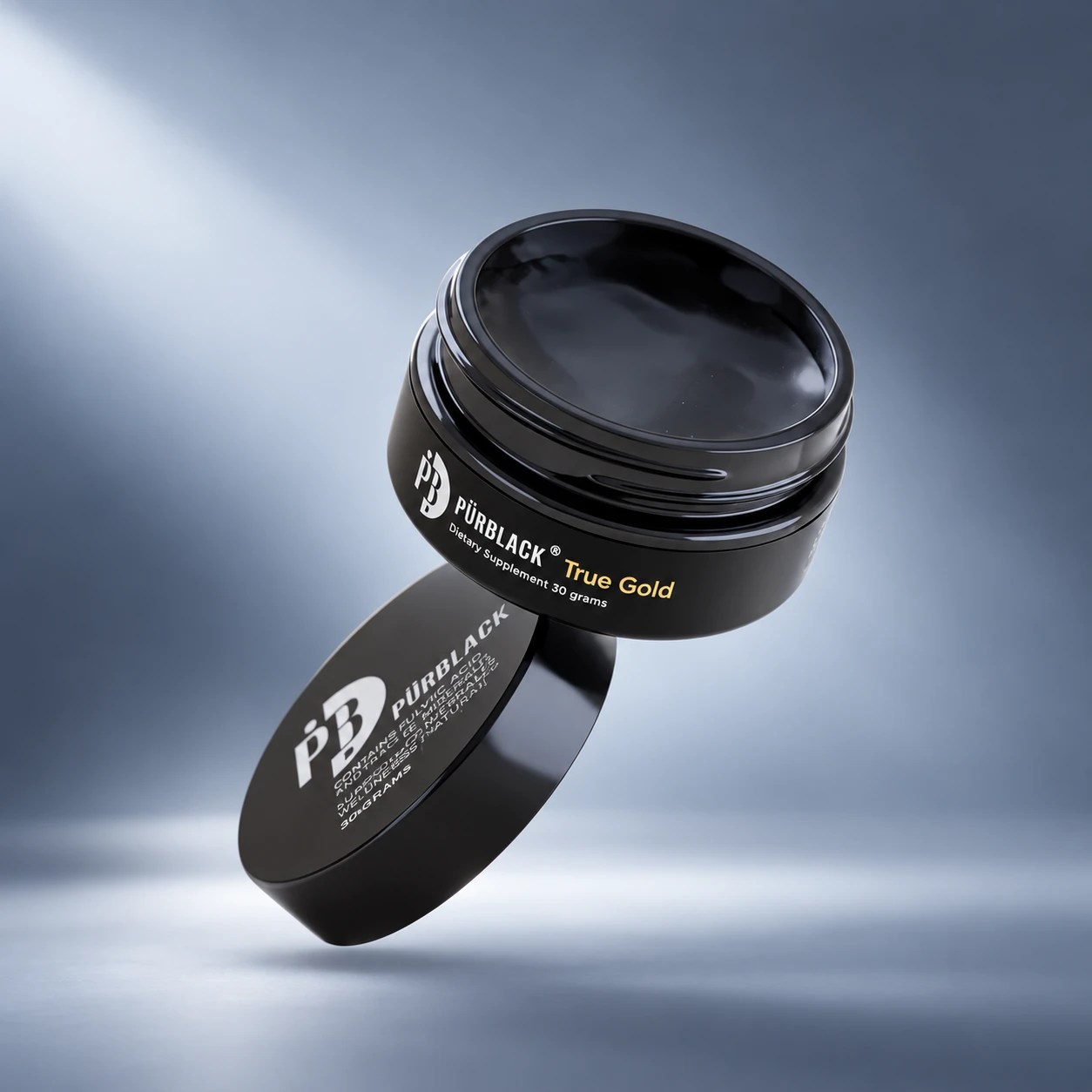
Even well-documented resin has limits worth understanding. A third-party report describes the sample that was tested, and a careful brand will say so rather than implying that every jar was individually certified. Resin also asks more of the user: it tastes bitter and earthy, and a serving of 250 to 500 mg has to be stirred into a warm drink. In exchange, the buyer receives something a gummy cannot offer, namely a product whose identity and contaminant levels can be checked against a published document before the first dose. Anyone who is pregnant, nursing or taking prescription medication should consult a clinician before starting shilajit in any form.
Visit the blog for more posts:
- How Do Herbal Supplements Compare to Traditional Pharmaceuticals for Stress Relief?
- How To Stimulate Collagen In Face
Please Note: I always strive to provide accurate and helpful information, but just a quick heads-up—I’m a blogger, not a doctor, lawyer, CPA, or any other kind of certified professional. I’m here to share my experiences and insights, but please make sure to use your own judgment and consult the right professionals when needed.
Also, I accept monetary compensation through affiliate links, advertising, guest posts, and sponsored partnerships on this site, however I am very particular about the products I endorse and only do so when I am truly a fan of the quality and result of the product.