There is nothing quite like the post facial glow. Your skin looks clean, hydrated, smooth, and refreshed—and the last thing you want to do is ruin those results. But what happens when you have dinner plans, an event, work, or somewhere else to be after your appointment? Can you wear makeup after a facial, or should you leave your freshly treated skin completely bare?

This is something I have become much more mindful of as I have incorporated professional facials into my regular skincare routine. I love trying different treatments and learning what works for my skin, but I have also learned that what you do after your appointment can be just as important as the facial itself.
One of the biggest pieces of facial care advice I have received is to give my skin some time before covering it with makeup. As tempting as it is to immediately apply foundation—especially if I have somewhere to go—I try to schedule my facials when I can leave my skin bare afterward.
So, how long do you really need to wait? Let’s get into makeup after a facial, why waiting matters, and what you can do when going makeup-free simply isn’t an option.
As always, I’m sharing general skincare guidance and my experience with professional treatments. Different facials and skin types require different aftercare, so always follow the specific instructions given to you by the esthetician or skincare professional who performed your treatment.
Can You Wear Makeup After A Facial?
Yes, you can eventually wear makeup after a facial, but it is generally best not to put it on immediately following your treatment. A good general guideline is to wait around 24 hours before applying makeup, although the appropriate amount of time depends on the type of facial you received and how your skin responds.
During many facials, your skin is thoroughly cleansed and exfoliated to remove oil, impurities, and dead skin cells. You may also have steam, extractions, masks, serums, or other treatments performed.
Immediately afterward, your skin may be more sensitive than usual. Your freshly cleaned pores may also be more susceptible to becoming congested, so covering your face with foundation, concealer, powder, and other complexion products right away isn’t necessarily the best way to preserve your results.
Whenever possible, I prefer to let that beautiful post facial glow speak for itself and give my skin the rest of the day off from makeup.
Why You Should Wait to Wear Makeup After a Facial
There are several reasons why an esthetician may recommend waiting before you apply makeup following a facial.
Your Freshly Cleaned Pores Can Become Clogged
One of the main purposes of a good facial is to thoroughly cleanse the skin. Depending on your treatment, your esthetician may remove excess oil, debris, and dead skin cells and perform extractions to clear congestion.
Putting layers of makeup onto freshly treated skin immediately afterward can potentially contribute to clogged pores, particularly if you use heavier or comedogenic products.
I think of it this way: I have just spent the time and money having my skin professionally cleaned and treated. I don’t want to immediately cover it with multiple layers of makeup if I don’t have to.
Your Skin May Be More Sensitive
Even if your skin looks amazing after a facial, it has still been through a treatment.
Exfoliation, extractions, active ingredients, steam, and other techniques can temporarily make skin more sensitive. Applying makeup immediately afterward—and then removing that makeup a few hours later—adds additional products and physical contact at a time when your skin may benefit from being left alone.
This is particularly important if your facial included more intensive exfoliation or if you naturally have sensitive or reactive skin.


Your Skincare Products Need Time to Work
A professional facial often finishes with serums, moisturizers, and other products selected specifically for your skin.
Rather than immediately layering makeup over everything, I like to give those products time to sit on my skin and do their job. After all, part of the reason I am getting a facial is to improve how my bare skin looks and feels.
If you’re interested in making professional treatments part of your regular skincare routine, I have also shared what I consider the best monthly facial treatment, along with my experience with the aquafirme facial.
How Long After a Facial Should You Wait to Wear Makeup?
While 24 hours is a useful general guideline, there isn’t one waiting period that applies to every facial. If you have a very gentle, hydrating facial without aggressive exfoliation or extractions, your skin may be comfortable with makeup sooner. On the other hand, if your treatment involved significant exfoliation, extractions, resurfacing, or stronger active ingredients, your provider may recommend waiting longer.
Your individual skin matters, too. Someone with resilient, oily skin may respond differently from someone with very dry, sensitive, or reactive skin. Even your own skin can respond differently from one appointment to the next depending on what was done.
If my skin is still red, warm, irritated, or particularly sensitive, I would not rush to put makeup over it simply because 24 hours have passed. I would give it additional time and follow the recommendations of the professional who treated my skin.
This is also why I recommend asking about makeup before you leave your appointment. Your esthetician knows exactly what products and techniques were used and can give you much more personalized advice than a general rule online.
What If You Have to Wear Makeup Right Away?
Of course, real life doesn’t always cooperate with our skincare routines. Maybe you booked a facial earlier in the day and suddenly have dinner plans. Maybe you have an important meeting, photographs, or an event that evening. If you absolutely need to wear makeup, the goal should be to minimize how much you put on your freshly treated skin and reduce potential irritation.
First, wait as long as possible. Even if you can’t give your skin a full day, several makeup-free hours are better than immediately applying foundation as soon as you leave your appointment.
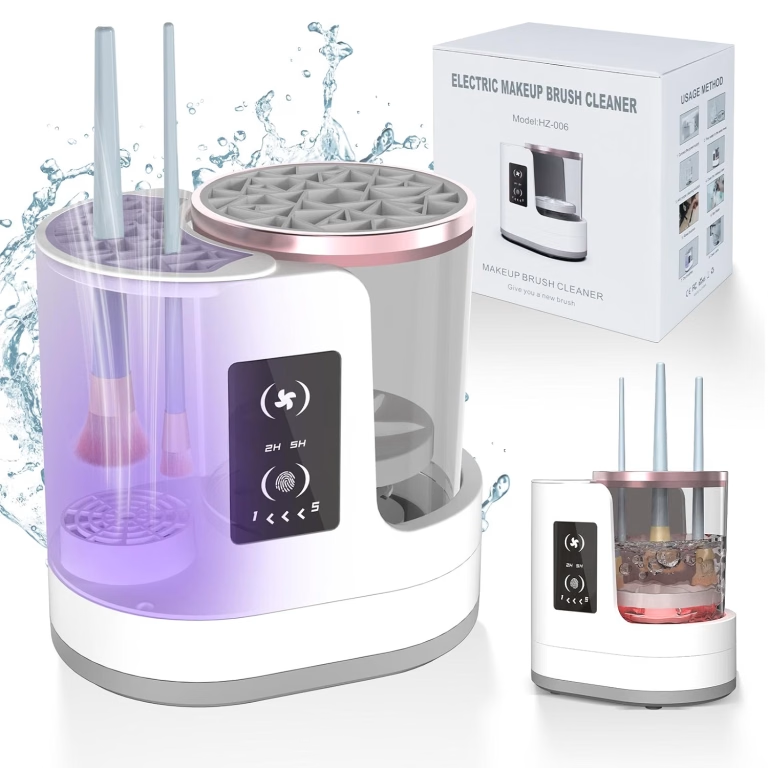
Next, make sure anything touching your face is clean. This is not the day to reach for a foundation brush or makeup sponge that hasn’t been washed recently. Use freshly cleaned brushes and tools, and wash your hands before touching your face.
I would also keep the makeup as minimal as possible. Rather than a heavy, full-coverage foundation, consider a lightweight non-comedogenic complexion product or mineral makeup if your skincare professional says it is appropriate for your skin.
You could also concentrate on areas that don’t require covering your entire face. A little mascara, brows, and lip color can make you feel pulled together while still allowing most of that post facial glow to show.
Finally, remove everything gently at the end of the night. Avoid aggressive scrubbing or harsh makeup removers. You want to cleanse away your makeup without creating additional irritation.


How To Care For Your Skin After A Facial
Good aftercare can help protect the results of your treatment and get your skin comfortably back to its normal routine—including makeup.
Keep Your Skincare Simple
Immediately following a facial is not the time when I want to experiment with five new skincare products.
Stick with the gentle routine recommended by your provider. Depending on your treatment, this may mean using a mild cleanser, moisturizer, and sunscreen and temporarily skipping unnecessary extras.
If you enjoy maintaining your skin between professional appointments, I also have a guide explaining how to do a facial at home. Just remember that at-home skincare and a professional treatment aren’t always interchangeable, particularly when stronger exfoliation or extractions are involved.
Focus on Hydration
Hydration is one of my favorite parts of that freshly treated look. A gentle moisturizer can help support your skin barrier and keep skin feeling comfortable after treatment. Your esthetician may also recommend specific hydrating serums or products based on the facial you received.
And don’t forget about hydration from within. Drinking plenty of water is always a good habit, even though it isn’t a substitute for topical skincare.
Wear SPF
Sun protection is especially important after treatments that involve exfoliation. Removing accumulated dead skin cells can leave freshly exfoliated skin more vulnerable to UV exposure. I make broad-spectrum SPF part of my daily routine anyway, but I am particularly mindful of it after professional skincare treatments.
Your esthetician can tell you which sunscreen is appropriate to use immediately following your specific facial.
Avoid Harsh Active Ingredients
Your skin doesn’t necessarily need more exfoliation after it has just been professionally exfoliated. Depending on your treatment, your provider may recommend temporarily avoiding retinoids, exfoliating acids, scrubs, benzoyl peroxide, or other potentially irritating active ingredients.
Exactly how long you should wait depends on the facial. A gentle hydrating treatment may require very little adjustment to your routine, while a more intensive treatment could require several days of modified skincare. When in doubt, ask.
The Bottom Line: Can You Wear Makeup After A Facial?
So, can you wear makeup after a facial? Eventually, yes—but I wouldn’t be in a hurry to cover up that freshly treated skin.
When possible, I like to give my skin approximately 24 hours without makeup. It gives my complexion time to calm down, allows the products used during my treatment to remain on my skin, and reduces the chance of unnecessarily irritating freshly treated skin or contributing to clogged pores.
More importantly, though, listen to your skin and your skincare professional. There are many different kinds of facials, and aftercare for a gentle hydrating treatment can look very different from aftercare following extractions or more intensive exfoliation.
And perhaps the best reason to skip makeup for a little while? You just paid for that gorgeous post facial glow. You might as well enjoy it!
Please Note: I always strive to provide accurate and helpful information, but just a quick heads-up—I’m a blogger, not a doctor, lawyer, CPA, or any other kind of certified professional. I’m here to share my experiences and insights, but please make sure to use your own judgment and consult the right professionals when needed.
Also, I accept monetary compensation through affiliate links, advertising, guest posts, and sponsored partnerships on this site, however I am very particular about the products I endorse and only do so when I am truly a fan of the quality and result of the product.