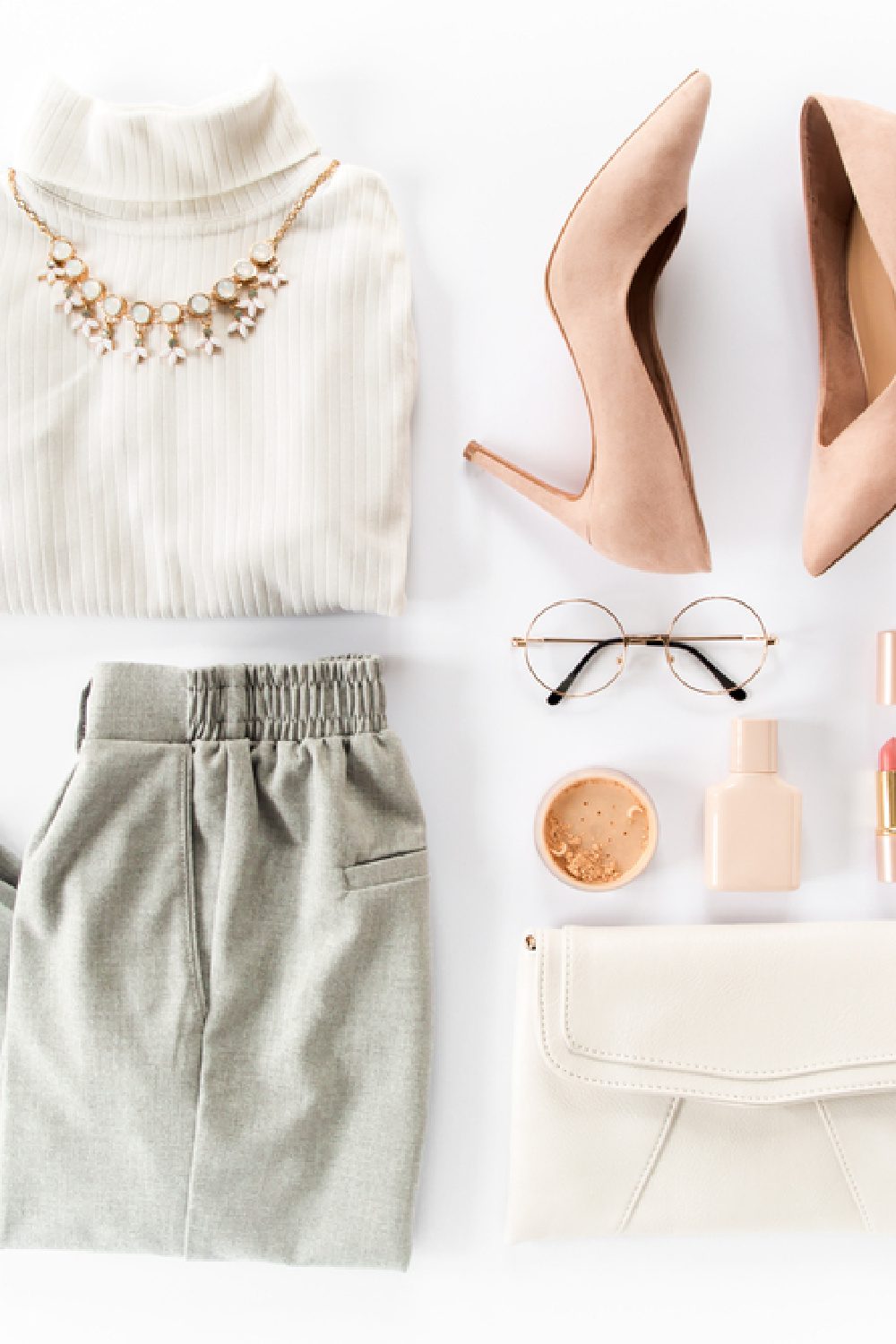
A wardrobe full of black, white, gray, beige, and navy can make getting dressed remarkably easy. Everything works together, and you rarely have to worry about clashing colors. The downside is that, after a while, your clothes can start to feel a little predictable.

How to Build a More Colorful Wardrobe
Luckily, neutrals provide one of the easiest foundations for experimenting with brighter shades. The trick is to introduce color gradually, work out what you genuinely enjoy wearing, and avoid buying bold pieces that spend the next three years untouched at the back of your closet.
Start With Colors You Already Like
Before buying anything new, look at the colors that already appear elsewhere in your life. Your home, accessories, artwork, phone case, or even the photos you save online can reveal shades you’re naturally drawn to.
You can also examine the few colorful items you already own. Perhaps you regularly wear a burgundy scarf but avoid your bright yellow sweater. That gives you useful information. You may prefer deeper, muted colors rather than highly saturated shades.
Start with one or two colors instead of trying to introduce an entire rainbow at once. Some approachable options include:
- Forest or olive green
- Burgundy or rust
- Dusty pink
- Light or denim blue
- Mustard yellow
- Deep purple
Use Your Neutrals as the Foundation
Building a colorful wardrobe doesn’t require starting from scratch. Your existing neutral clothes can actually make the transition much easier.
Think of a simple outfit you already wear regularly, such as blue jeans, a white T-shirt, and sneakers. Instead of replacing everything, change one element. You could swap the white shirt for a green one while keeping the rest of the outfit familiar.
The same method works with workwear. Black trousers and neutral shoes can ground a colored blouse, cardigan, or jacket. Because most of the outfit still feels familiar, the new color is less likely to feel overwhelming.
Free Spirited Clothing, for example, specializes in tie-dye shirts and clothing, which illustrates another way color can enter an otherwise simple wardrobe: through a single patterned piece. If you normally dress in solid neutrals, keeping the rest of an outfit understated gives a multicolored item room to work without requiring several competing patterns.
Try the One-Color Rule
If you’re unsure how different shades work together, give yourself a simple rule: wear one colorful piece at a time.
Start with neutral trousers, shoes, and outerwear, then add color through one obvious part of the outfit. A shirt is an easy choice because it occupies enough visual space to change the overall look. You could also experiment with a colorful jacket, skirt, or pair of trousers.
Patterns can perform the same job while introducing several shades at once. Browsing colorful clothing from shopfreespirited.com can give you an idea of how tie-dye and other visually noticeable pieces could sit alongside simpler items you already own.
Once you become comfortable with one colorful element, experiment with a second. Instead of choosing two unrelated bright colors, look for pieces that share a shade or have similar intensity. You don’t need advanced knowledge of color theory; laying clothes next to each other before getting dressed is often enough to spot combinations that feel balanced.
Experiment With Accessories First
Not everyone wants to jump straight from an all-black wardrobe to brightly colored shirts and trousers. Accessories offer a lower-commitment route.
Try adding color through a bag, scarf, socks, belt, hat, or jewelry. These smaller items let you test a shade repeatedly and see how comfortable you feel wearing it in everyday situations.
Accessories are particularly useful if your workplace has a conservative dress code. A colorful scarf or bag can bring personality to a simple outfit without changing its overall level of formality.
Another advantage is flexibility. A colored accessory can move between several outfits, so you can experiment before deciding whether that shade deserves a larger place in your wardrobe.
Create Outfit Formulas You Can Repeat
One reason neutral wardrobes are so convenient is predictability. You already know which clothes work together. Keep that advantage by creating a few formulas for your new colorful pieces.
For example:
- Neutral jeans + colorful shirt + simple sneakers
- Black trousers + neutral top + colorful cardigan
- Neutral dress + colorful bag + coordinating accessory
- Colorful trousers + plain shirt + neutral shoes
Take photos of combinations you particularly like. Keeping a small album of successful outfits on your phone can make rushed mornings much easier.
It also prevents unnecessary shopping. Before buying something colorful, picture at least a few outfits you could make using clothes you already have. A beautiful orange jacket isn’t particularly useful if you dislike how it looks with everything else in your closet.
Give Yourself Time to Adjust
A new color can feel much louder to the person wearing it than it looks to everyone else. If you’ve spent years dressing almost exclusively in neutrals, even a relatively understated green or blue shirt may initially seem dramatic.
Wear new colors in familiar settings first. Try a colorful top while running errands, meeting friends for coffee, or spending a casual day out. After you’ve worn it a few times, it will probably stop feeling quite so unusual.
Avoid buying several brightly colored pieces simply because you’ve decided your wardrobe needs more variety. Introduce them gradually and pay attention to what actually gets worn. Your goal isn’t to own more color; it’s to build a wardrobe that feels interesting while still being practical.
A more colorful wardrobe doesn’t have to mean giving up the neutrals that make getting dressed easy. Instead, treat those familiar shades as a base and introduce color one piece at a time.
Begin with shades you already like, experiment with accessories if you’re hesitant, and create repeatable outfit formulas around the pieces that work. Most importantly, notice what you reach for after the novelty of a purchase wears off.
Over time, you’ll learn which colors feel natural, which combinations suit your everyday life, and how much variety you actually want. The result should still feel like your wardrobe, just with a little more room for color.
Please Note: I always strive to provide accurate and helpful information, but just a quick heads-up—I’m a blogger, not a doctor, lawyer, CPA, or any other kind of certified professional. I’m here to share my experiences and insights, but please make sure to use your own judgment and consult the right professionals when needed.
Also, I accept monetary compensation through affiliate links, advertising, guest posts, and sponsored partnerships on this site, however I am very particular about the products I endorse and only do so when I am truly a fan of the quality and result of the product.